A privacy-respecting car GSM/LTE-tracker (for theft protection)
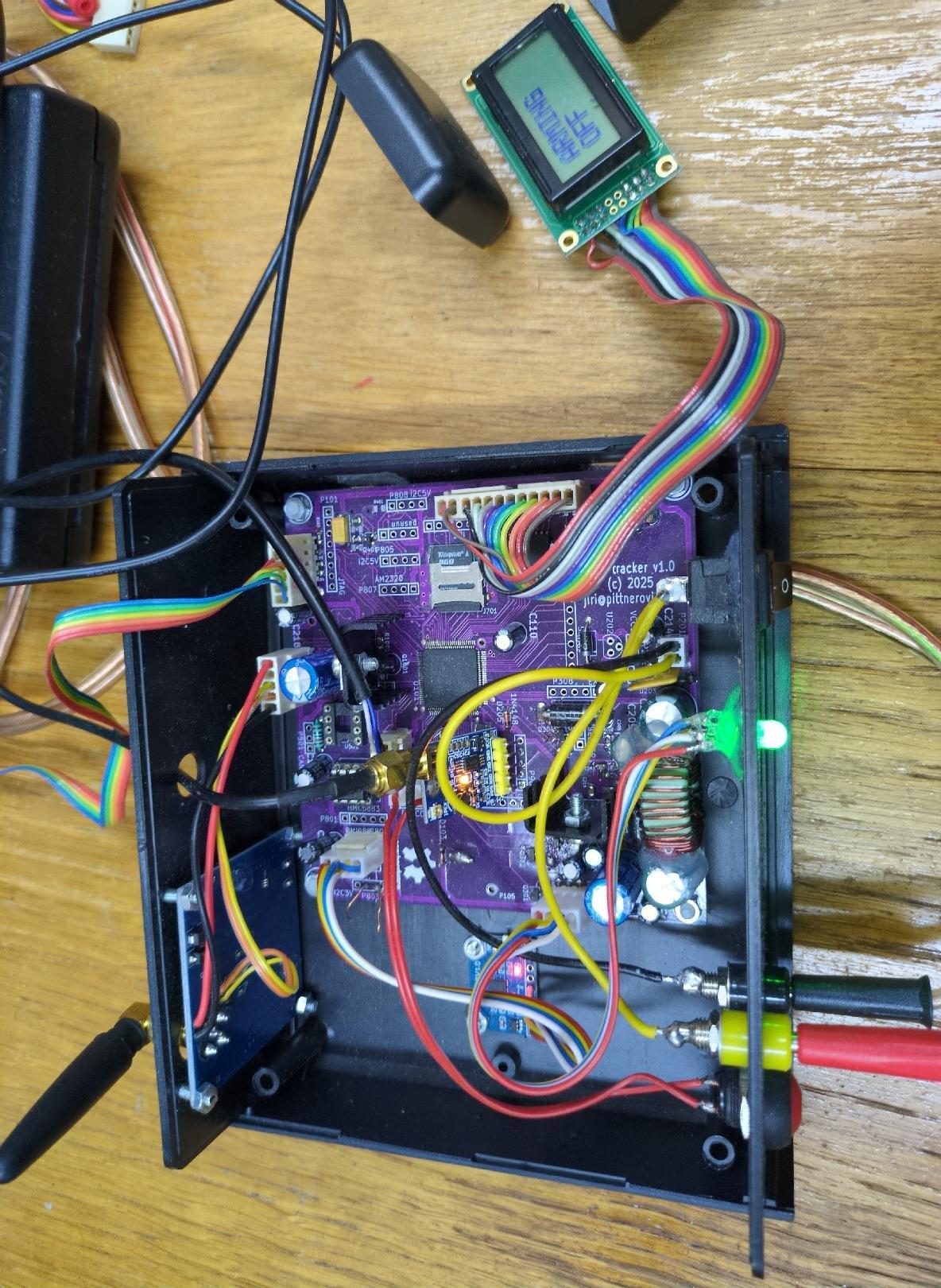
There are plenty of theft-protection GSM trackers on the market, so why bother building your own one? The problem is that in the commercial devices you have no control when they actually connect to the cell network, what data they send to the manufacturer or various cloud services, so there is no control about your digital trace.I have thus designed my own one, which is always offline, except when an alarm is triggered. It is presently activated by a hidden switch and when powered on, it continuously checks GPS and accelerometer/gyroscope for motion detection. Only when over a threshold, alarm is triggered and GSM modem is powered on to send SMS messages. Before driving, you have to power it off by the hidden switch again. Unless alarm is triggered, it thus leaves no electronic trace of your driving (and yes, if you have got a recent car with ecall and/or telemetric unit, you should disable them (pulling the right fuse) if you care about your privacy).
Another advantage is the modularity of the DIY approach - as it is expected that the GSM 2G networks will be switched off within a few years, in this device it is possible to replace just the GSM modem board, which is a separate module from Aliexpress, by a LTE one and possibly adapt the software. The SIMCOM LTE modules support UART communication and AT commands as well and the upgrade should be straightforward. The construction presented here is based on STM32F37 microcontroller, GSM900 SIMCOM module, BMI088 accelerometer/gyro, and NEO6 GPS module. I did most of the project before AI was good enough to meet my standards for coding, but I recently (autumn 2026) used Claude code to finish the main logic in gsmtracker.cpp and review/bugfix the code. The tar file with everytning in here (it includes other projects too). The Kicad design is in gsmtracker.zip, including the gerber files. A user manual written by AI is in gsmtracker_manual.pdf.
If I ever come to a respin of the board in the future, I would include a 433/868MHz RFM radio module for remote control, CAN interface to optionally connect to the car's bus, and more modern DC/DC convertor to lower power consumption, which is presently 40-50mA.
My Electronics page
My hobby page
My main page with e-mail contact
TOP of my family pages